
Cell Sheet Regenerative Medicine Business
CellSeed Inc. engages with the challenges of “commercializing regenerative medicine” using cell sheets.
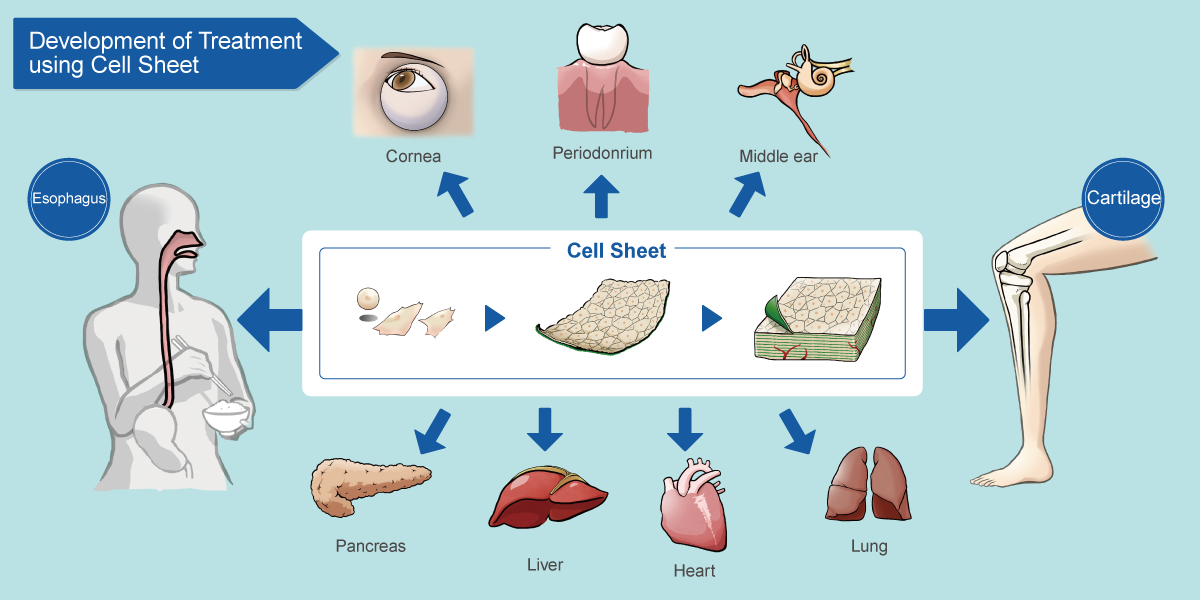
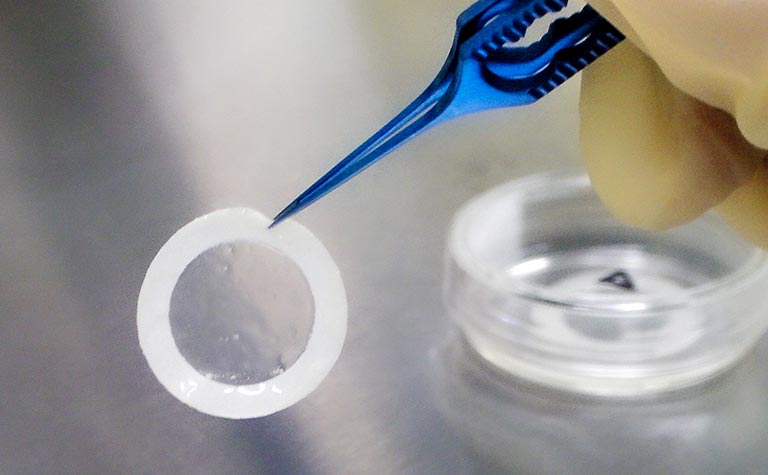
In accordance with new legislations on regenerative medicine came into effect in 2014, much public interest has focused on regenerative medicine, which uses cells to restore lost functions. Cells collected from healthy tissues are cultured and transplanted back to patients, with the aim of producing tissue repair and functional recovery. Regenerative medicine offers great promise for raising patients’ Quality of Life (QOL). Complete cure for hitherto untreatable diseases may be more likely now. The cell sheet that CellSeed strives to commercialize is a thin membrane cultured from human cells. This sheet is grafted back onto the patient’s lesion to regenerate cells and organs. “Cell sheet engineering” is the platform technology developed by Professor Teruo Okano of Tokyo Women's Medical University (and a Chairman of Scientific Advisory Board). It is an innovative technology attracting world attention as a game-changer in regenerative medicine. Using cell sheet engineering, R&D is underway with a view to diverse applications in corneal, cardiac and periodontal therapies.
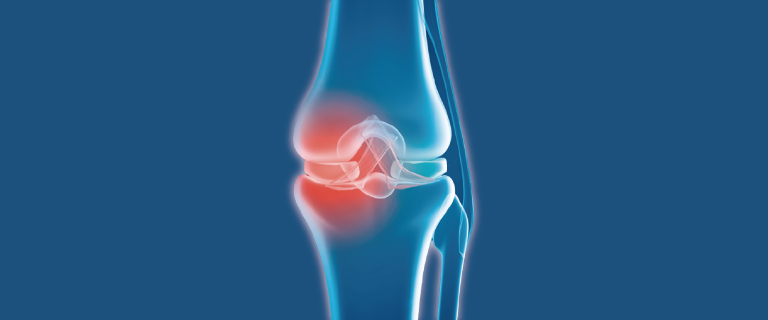
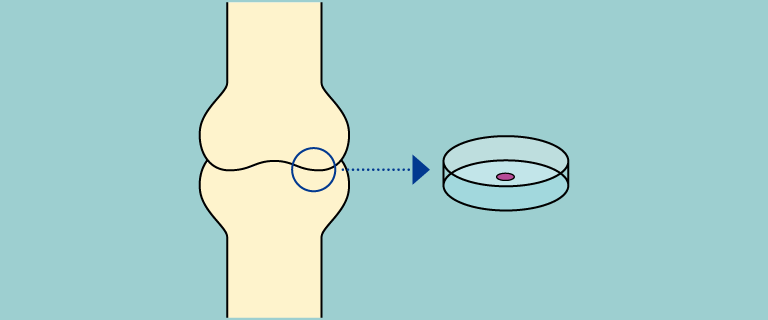
The development pipeline of CellSeed includes the epithelial cell sheet for esophageal regeneration and the regenerated cartilage sheet. We are endeavoring to commercialize these products as soon as possible.
Cell Sheet Regenerative Medicine Business
Chondrocyte Sheet
Inquiry
Contact us below about Cell Sheet Regenerative Medicine Business